November 3, 2026
Manufacturing durable metal components requires a protective finish capable of withstanding severe mechanical stress, chemical exposure, and corrosive operating environments. An industrial powder coating provides the premier finishing solution across modern manufacturing due to its resilience, high transfer efficiency, and sustainable profile. Achieving an enduring, defect-free surface demands rigorous process control across every single stage of production. Without a systematic operational checklist, finishing facilities risk costly defects including pinholing, peeling, uneven film build, and corrosion.
Surface protection is more than visual appearance; it serves as a vital defense against structural breakdown. According to the United States Environmental Protection Agency, conventional liquid finishes typically contain five to six pounds of volatile organic compounds per gallon, whereas advanced alternatives generate less than 0.5 pounds per gallon. This substantial emissions reduction explains why facilities continue migrating toward dry powder finishing methodologies. Following a structured checklist ensures that every workpiece achieves maximum barrier protection while maintaining strict compliance with evolving environmental standards.
Prepare the Substrate Thoroughly for Maximum Adhesion
Proper substrate preparation represents the most vital phase of any finishing workflow because even minor surface contamination compromises long-term coating adhesion. When executing an industrial powder coating sequence, technicians must remove oils, grease, and cutting fluids using chemical degreasers or alkaline wash baths. If residual soils remain on raw metal, curing temperatures induce outgassing, causing blisters and pinholes across the component surface. Thorough water rinses between chemical stages prevent drag-out contamination, ensuring a pristine metallic foundation for subsequent mechanical treatments.
Once chemical cleaning removes surface hydrocarbons, mechanical profiling through abrasive blasting establishes the microscopic anchor pattern necessary for robust mechanical interlock. Abrasive blasting eliminates mill scale, oxides, and rust. Selecting appropriate media, such as aluminum oxide or steel grit, depends heavily on the base metal type and required surface roughness. In an industrial powder coating environment, blast media cleanliness must be monitored continuously to prevent embedding shattered contaminants back into the freshly exposed profile.
For non-ferrous metals like aluminum or galvanized steel, conversion coatings provide vital defense against corrosion creep. Applying zirconium treatments, iron phosphates, or zinc phosphate conversion layers chemically alters the metallic surface to create a passive, non-conductive barrier. This conversion crystalline lattice significantly enhances chemical bonding between the organic polymer and the underlying metal substrate. Technicians must control bath temperature, chemical concentration, and immersion duration, followed by a deionized water rinse to ensure maximum chemical passivity.
Select the Ideal Formulation for Operational Demands
Selecting the appropriate resin chemistry dictates how effectively the finished piece endures mechanical wear and environmental stress throughout its operational lifespan. Epoxy powders offer outstanding chemical resistance and hardness, making them ideal for pipelines, automotive underbodies, and heavy machinery. However, pure epoxy polymers experience severe chalking and degradation when exposed to direct solar ultraviolet radiation, severely restricting their exterior suitability. Specifying engineers must evaluate field exposure conditions to avoid premature degradation caused by incompatible resin selection.
For exterior architectural structures, commercial transportation assemblies, and agricultural machinery, polyester powder coatings deliver exceptional weatherability and gloss retention. Super-durable polyester formulations incorporate advanced resins that resist color fading and ultraviolet chalking across decades of outdoor solar exposure. Polyurethane chemistries offer outstanding flow and leveling characteristics, providing smooth cosmetic finishes with formidable chemical and mar resistance for specialized equipment. Balancing mechanical flexibility against weather resistance ensures the cured envelope withstands thermal expansion without developing micro-cracks.
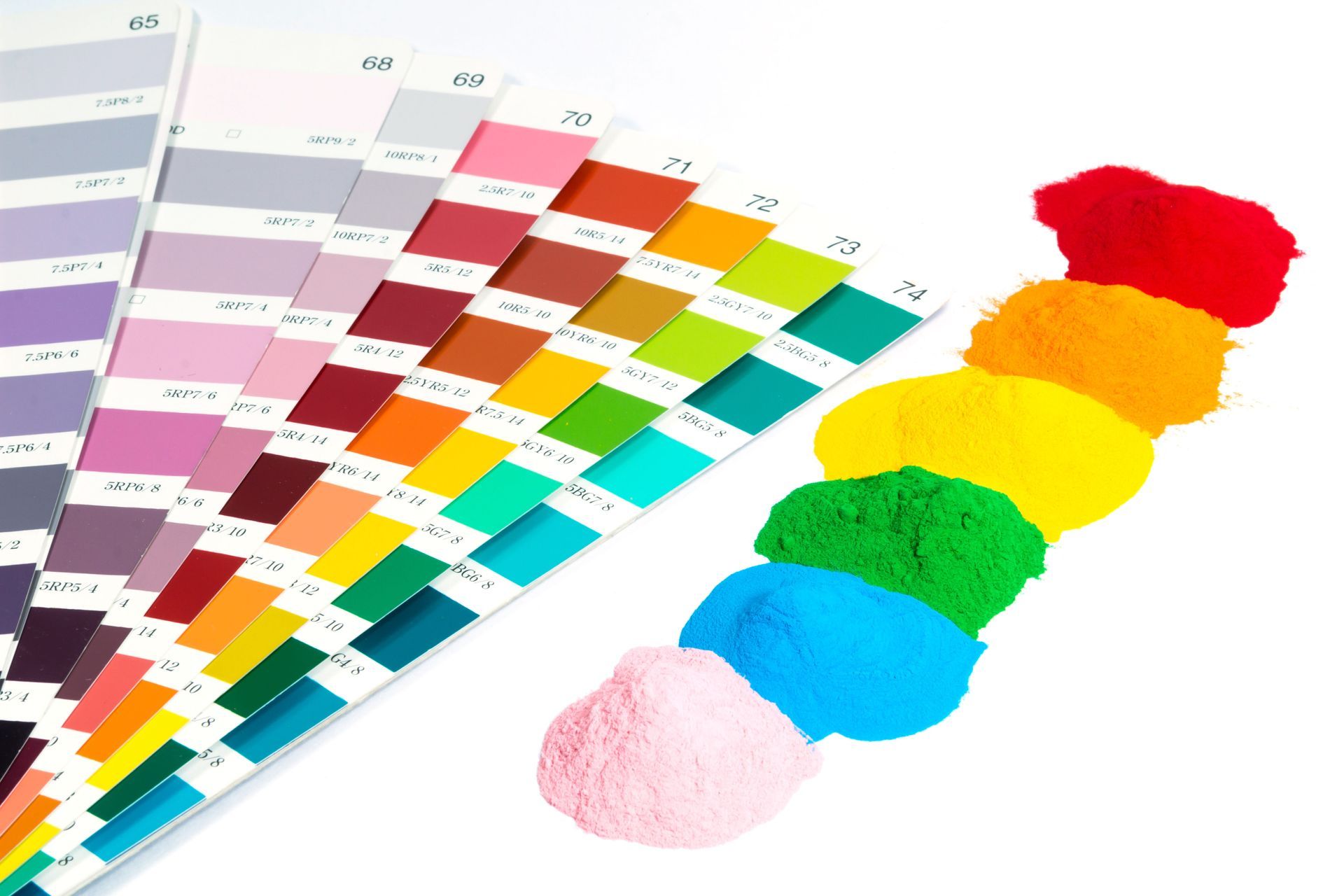
Hybrid powder chemistries blend epoxy and polyester resins, combining functional hardness with moderate decorative appeal for interior enclosures, office furniture, and electrical housings. Specifying the correct industrial powder coating formulation also involves choosing distinct gloss levels, textures, and custom colors to satisfy aesthetic requirements. Furthermore, formulators must control particle size distribution precisely, as oversized particles degrade electrostatic charging while excessive ultrafines cause hopper fluidization issues. Powder containers must remain sealed in climate-controlled storage to prevent moisture absorption and premature polymer agglomeration.
Calibrate the Thermal Curing Cycle Precisely
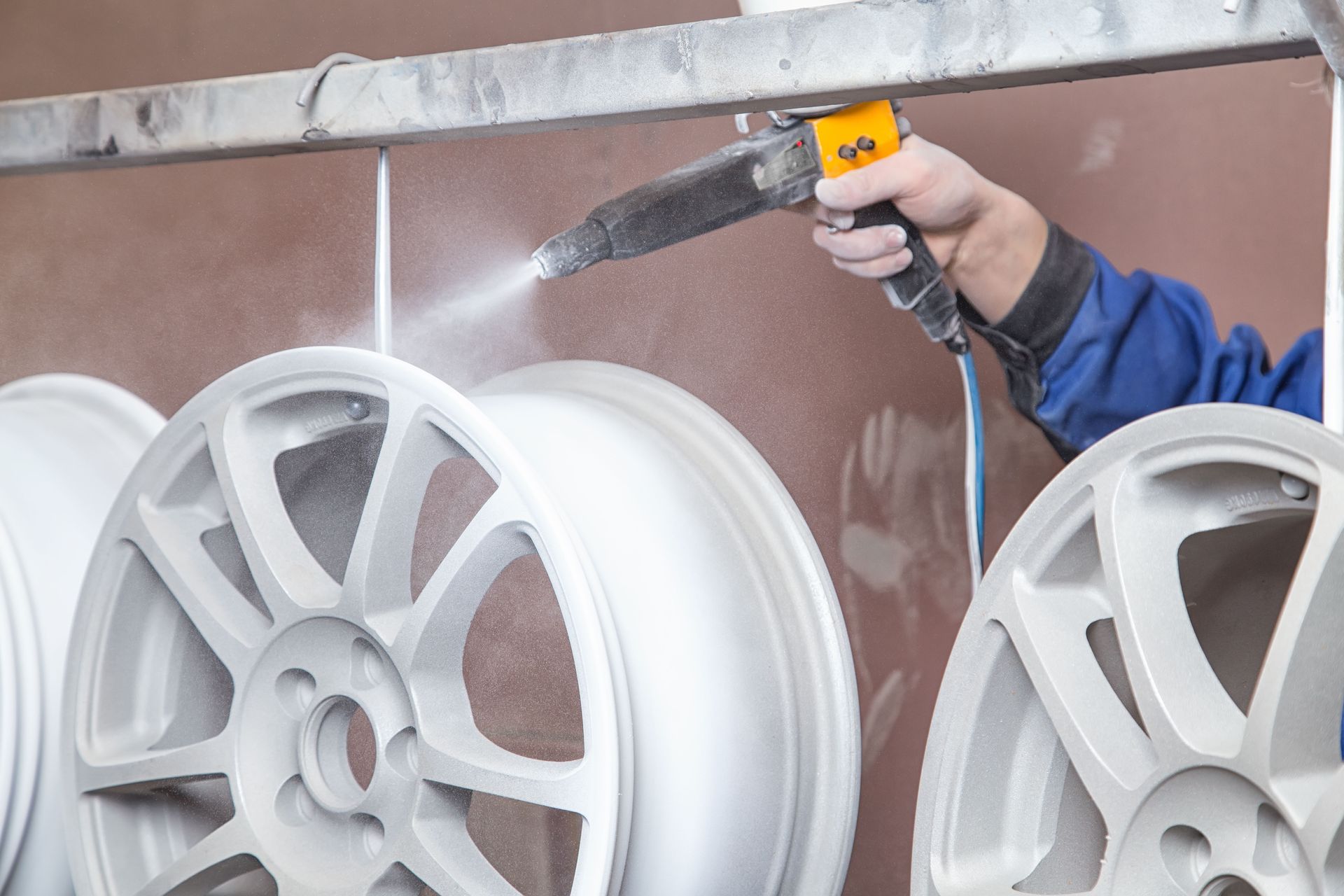
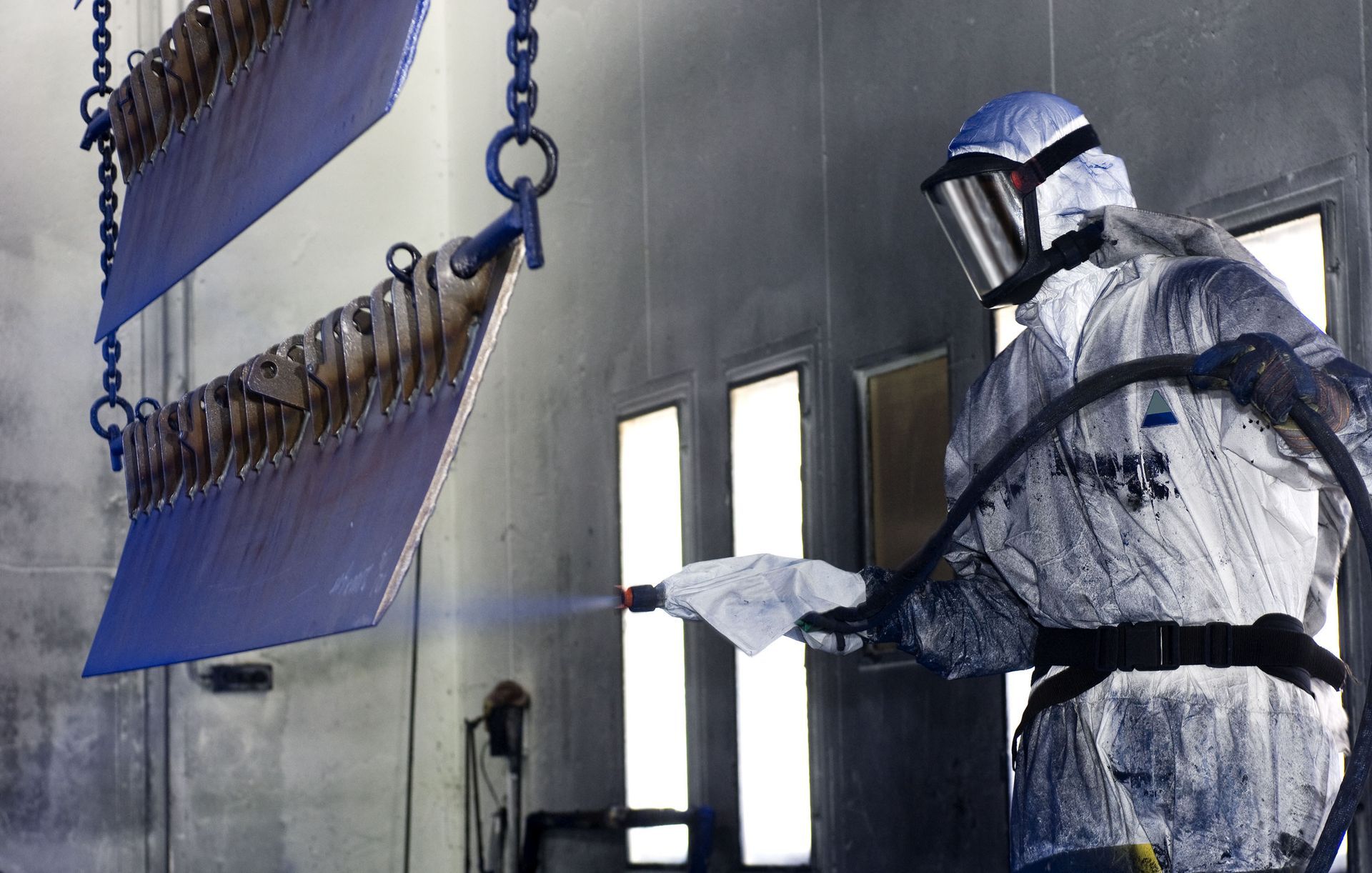
Applying dry powder uniformly requires stable electrostatic spray equipment that imparts a dependable negative or positive charge to atomized particles. Workpiece grounding serves as a fundamental prerequisite for uniform film deposition, as improper grounding diminishes electrostatic attraction and causes severe back-ionization. In an industrial powder coating spray booth, operators must manipulate spray angles and gun voltages to penetrate recesses and counter the Faraday cage effect. Maintaining a uniform transfer efficiency reduces overspray, stabilizes reclaim ratios, and prevents film thickness variations across complex component geometries.
Achieving optimal polymer cross-linking demands strict monitoring of substrate metal temperature rather than relying solely on ambient oven air temperature. Heavy steel sections absorb heat more slowly than thin sheet metal, requiring adjusted dwell times to reach designated cure thresholds. Thermal profile data loggers equipped with thermocouple probes attached directly to parts allow technicians to map thermal curves through convection and infrared curing ovens.
Process consistency in industrial powder coating depends on avoiding both under-curing and over-curing scenarios that undermine coating performance. Under-cured finishes demonstrate brittle impact characteristics, weak inter-coat adhesion, and compromised solvent resistance because polymer chains never achieve full cross-linking density. Conversely, excessive oven exposure or excessive peak temperatures can cause clear coat yellowing, color shifts, and severe thermal degradation. Technicians must conduct periodic oven uniformity surveys across the entire chamber volume to eliminate localized cold spots and guarantee uniform heat transfer.
Conduct Rigorous Quality Testing Across Key Standards
Verifying coating performance requires a comprehensive inspection protocol conducted immediately after components cool to ambient temperatures. A disciplined industrial powder coating quality assurance program begins with non-destructive dry film thickness measurement using calibrated magnetic or eddy-current gauges. Film thickness must consistently fall within specified engineering limits, as excessive thickness induces edge cracking while insufficient thickness exposes substrates to accelerated corrosion. Documenting multi-point thickness readings across complex profiles ensures that critical functional surfaces receive adequate protective barrier coverage.
Mechanical adhesion evaluations provide concrete evidence of how tenaciously the cured polymer matrix adheres to the prepared substrate. The cross-hatch tape test assesses interfacial adhesion through lattice incisions and pressure-sensitive tape removal. Technicians also perform direct impact tests and conical mandrel bend evaluations to confirm that the film flexes without cracking during structural deflection. Furthermore, solvent rub testing using methyl ethyl ketone validates chemical cross-linking density, verifying that the thermal cure reached full molecular maturity.
Accelerated environmental evaluations represent the ultimate benchmark for validating long-term protective performance under harsh conditions. Salt spray corrosion chambers expose coated test panels to continuous atomized sodium chloride mist over hundreds or thousands of hours. Quality technicians routinely inspect scribed sample panels to track creepage, blister formation, and gloss retention under relentless corrosive attack. Establishing these rigorous testing baselines confirms that coated components can withstand the aggressive mechanical and environmental demands of real-world service.
Maintaining a disciplined checklist across every operational stage transforms surface finishing into a repeatable, high-precision manufacturing capability. When production teams master substrate preparation, powder selection, curing kinetics, and rigorous quality testing, they eliminate costly coating rework. A robust
industrial powder coating protocol protects critical assets against severe corrosion, preserves structural integrity, and ensures complete environmental compliance. Systematic process control remains the single most reliable strategy for achieving superior coating durability across demanding commercial applications.
At Rick's Powder Coating, we deliver industry-leading finishing solutions tailored to meet your most demanding technical specifications. Our expert team leverages advanced application technologies and rigorous quality assurance protocols to maximize the durability of every component we coat. Contact us today to discuss your finishing requirements and discover how our dedicated capabilities can elevate your next manufacturing run.